Back to School Second Grade Teacher PNG: A Practical Resource for Small Business Product Creation
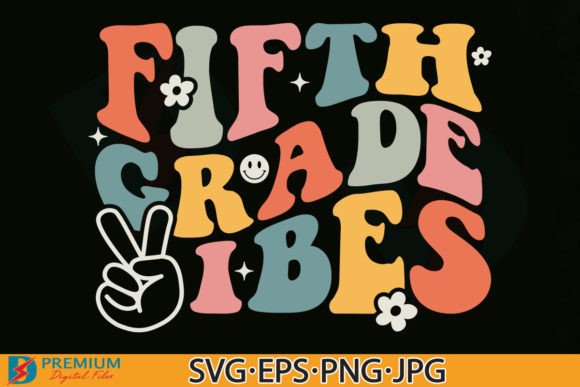
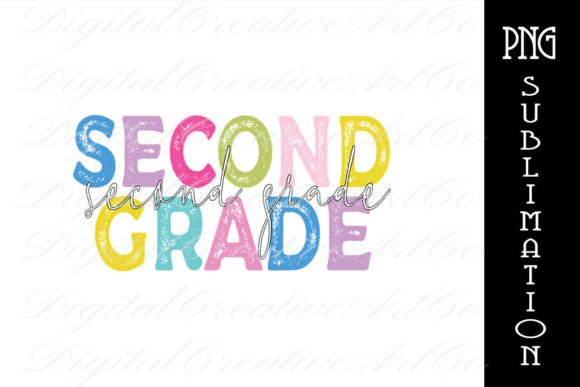
A Back to School Second Grade Teacher PNG is a high-resolution, transparent-background digital illustration designed specifically for physical product customization. Unlike generic classroom-themed graphics or broad “teacher appreciation” assets, this file centers on the distinct visual and emotional tone of second grade — think friendly yet structured, playful but purposeful, with subtle cues like numbered pencils, simple math symbols, or cheerful apple motifs that resonate with early elementary educators. At 3,000 × 3,000 pixels, it’s engineered for clarity across multiple output sizes and substrates without pixelation or loss of detail.
What Sets This PNG Apart from Other Educational Graphics
Not all back-to-school designs serve the same function — or audience. Many classroom-themed PNGs lean heavily into cartoonish characters, oversized fonts, or seasonal tropes (e.g., apples stacked like pyramids or chalkboards covered in cursive). In contrast, a Back to School Second Grade Teacher PNG tends to balance age-appropriateness with professional polish: clean linework, intentional spacing, and thoughtful color palettes that support dye sublimation and heat transfer workflows. Its transparency allows seamless layering onto shirts, mugs, tote bags, throw pillows, and wall art — no manual background removal needed.
This isn’t clipart repurposed from a 2005 education website. It’s built for modern production standards: vector-informed raster rendering, consistent anti-aliasing, and edge clarity optimized for both light and dark garment bases. That matters when printing on ceramic mugs (where fine details can blur during sublimation) or polyester pillow covers (where ink spread affects readability).
How It Fits Into Broader Design & Production Workflows
Small business owners often juggle design sourcing, file prep, and production logistics. A Back to School Second Grade Teacher PNG simplifies part of that chain — but only if aligned with your technical setup and market positioning.
- For heat transfer vinyl (HTV) users: The crisp edges and solid-color zones make it easy to convert into cut files using software like Cricut Design Space or Silhouette Studio — though some manual path refinement may be needed for intricate interior shapes.
- For dye sublimation: The resolution and RGB color profile support vibrant, fade-resistant results on polyester-rich fabrics and coated hard goods. No need to adjust DPI or add bleed — it’s ready for direct RIP software import.
- For print-on-demand (POD) platforms: While many POD services accept PNGs, not all handle large transparent files efficiently. This one’s size and format are compatible with major integrations (Printful, Gooten, Awkward Styles), but always verify platform-specific upload guidelines before bulk listing.
Compared to editable vector files (.SVG or .EPS), this PNG offers immediacy over flexibility. You won’t be able to recolor individual elements without masking — but you also avoid compatibility issues across design tools or version updates. For businesses prioritizing speed-to-market over granular customization, that tradeoff often makes sense.
When This PNG Is the Right Choice — and When It Isn’t
A Back to School Second Grade Teacher PNG works best when your target customers value specificity, authenticity, and ease of use. Teachers, parents of second graders, and school staff often respond more strongly to imagery that reflects their actual daily experience — not just “school” in general. A design featuring two-digit addition problems, sight-word flashcards, or a gentle reminder about “listening ears” signals deeper understanding than a generic apple-and-chalkboard combo.
It’s especially valuable if you’re launching a limited-time collection (e.g., August teacher gift bundles) or building a cohesive line around grade-level themes — first grade through fifth grade — where consistency in style and tone builds brand recognition.
However, this file may fall short in certain scenarios:
- If your audience prefers highly personalized items (e.g., adding student names or custom class numbers), you’ll need supplemental editing tools or layered source files — which this PNG doesn’t include.
- If you regularly produce oversized wall art above 24×36 inches, even 3,000 pixels may require upscaling with AI interpolation — potentially softening fine lines. For gallery wraps or large-scale signage, a true vector alternative would offer better scalability.
- If your niche leans toward humor or satire (“I Survived Second Grade Parent-Teacher Conferences”), this design’s warm, supportive tone may feel mismatched — unless paired intentionally with complementary text or layout choices.
Real-World Use Cases and Practical Considerations
Consider how a small shop in Austin uses this Back to School Second Grade Teacher PNG across three product categories:
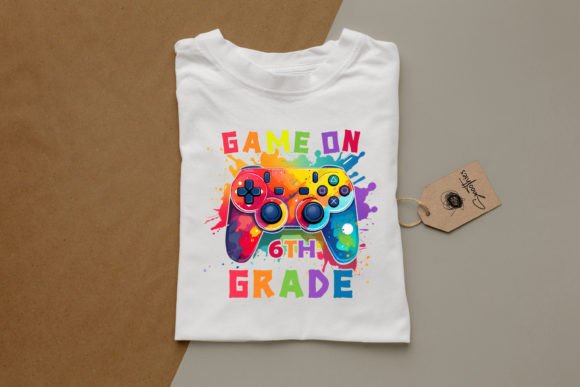
- T-shirts: Printed on soft tri-blend tees for teachers’ lounge wear. The PNG’s balanced composition ensures legibility at chest-print size (10×10 inches) and full-front placement (14×14 inches) without distortion.
- Ceramic mugs: Sublimated onto white 11-oz mugs. Because the design avoids thin strokes under 2px, there’s no risk of “disappearing” lines after the heat press cycle — a common issue with low-DPI educational graphics.
- Canvas tote bags: Applied via direct-to-garment (DTG) printing. The transparent background eliminates white ink underbase waste on natural canvas, reducing cost per unit while maintaining color fidelity.
Contrast that with a small Etsy seller who focuses on homeschool families. They might prefer a more versatile, multi-grade design — or one that includes editable text fields — because their buyers often request adaptations for different ages or learning styles. In that case, a single-grade PNG could limit customization options unless supplemented with additional design work.
Evaluating Alternatives and Making an Informed Decision
Before selecting any educational graphic, ask yourself three questions:
- Who is my primary buyer? Are they second grade teachers themselves (who appreciate nuance), school PTA groups (who prioritize clear branding), or gift shoppers (who value emotional resonance)?
- What production method am I using? Dye sublimation benefits most from high-res PNGs with flat color areas; screen printing may require simplified versions with fewer layers; embroidery demands entirely different file types altogether.
- How much time and skill do I have for post-download editing? If you’re comfortable adjusting opacity, blending modes, or combining with typography in Photoshop or Affinity Photo, this PNG gives you room to iterate. If you rely on drag-and-drop POD interfaces, its plug-and-play readiness becomes a stronger advantage.
A Back to School Second Grade Teacher PNG isn’t inherently “better” than other educational assets — it’s contextually appropriate. Its strength lies in focused relevance, production-ready formatting, and alignment with real-world classroom milestones. But relevance only delivers value when matched to your operational capacity and customer expectations.
Ultimately, the decision hinges less on what the file *is*, and more on how well it fits within your broader strategy: from sourcing and editing to fulfillment and marketing. When those pieces align, a single well-chosen PNG can become a reliable, repeatable asset — not just for back-to-school season, but as part of an ongoing, grade-specific product ecosystem.