Teacher’s Back to School Printable Chip
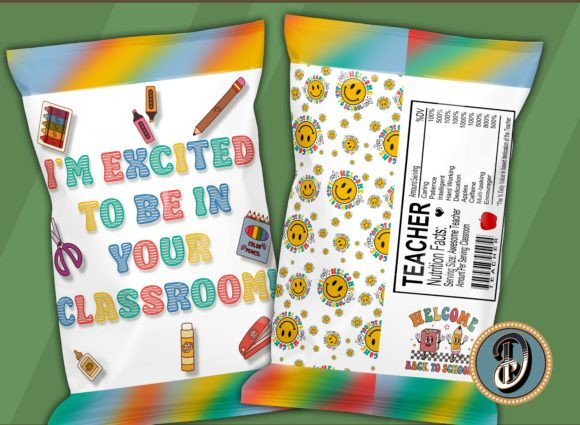
There’s something quietly powerful about a well-designed, heartfelt gesture at the start of the school year — especially one that balances practicality with personality. The Teacher’s Back to School Printable Chip, and its companion design, The Retro Classroom Delights Printable Chip Bag, is more than just a novelty item. It’s a thoughtfully crafted printable resource that helps students, parents, and colleagues express appreciation while adding a touch of nostalgic charm to classroom culture. With its vibrant retro palette, clean typography, and warm message — “I’m excited to be in your classroom” — it bridges sincerity and style in a way that resonates with educators who value both intention and aesthetics.
Why This Printable Stands Out (and Why It’s Often Misunderstood)
Many assume this is just another generic “first-day-of-school” craft — something quick to print but easy to overlook. That’s where the misunderstanding begins. The Teacher’s Back to School Printable Chip isn’t meant to be tucked into a drawer or used once and forgotten. Its strength lies in how it invites participation: printing, cutting, folding, assembling, and filling transforms a simple download into a shared moment — between student and teacher, parent and child, or even co-teachers preparing for the year ahead.
Yet, people often skip over the *intentional design choices* behind it. The retro color scheme isn’t just decorative — it evokes warmth, familiarity, and approachability. The phrase “I’m excited to be in your classroom” avoids vague praise (“You’re the best!”) in favor of grounded, student-centered language that feels authentic — not performative. That nuance matters. A rushed or overly generic version loses emotional resonance and can unintentionally feel hollow instead of heartfelt.
Common Oversights — and What They Cost You
Assuming all printable chips are interchangeable. Not every back-to-school printable delivers the same usability or visual cohesion. Some lack clear cut lines, use fonts that don’t scale well when enlarged, or include phrases that sound more like corporate slogans than genuine student voice. When you choose a low-fidelity version, assembly becomes frustrating, presentation suffers, and the final result may look hurried — undermining the care you intended to convey.
Printing without checking paper weight or orientation. This seems basic — but it’s surprisingly common. Using standard 20 lb. copy paper instead of 65–80 lb. cardstock leads to flimsy bags that sag or tear when filled. Likewise, misaligning the print area (e.g., forgetting to select “actual size” instead of “fit to page”) distorts proportions, making folding imprecise and assembly awkward. One teacher reported spending 20 minutes re-cutting and re-folding three bags because the print was scaled incorrectly — time that could’ve gone toward personalizing notes inside each chip bag.
Filling it without considering context. A chip bag full of candy might delight some teachers — but not others. Dietary restrictions, school wellness policies, or even personal preferences (e.g., avoiding sugary snacks during morning meetings) mean that what goes *inside* matters as much as what holds it. Thoughtful pairing — like whole-grain crackers, trail mix, or herbal tea sachets — extends the gesture beyond novelty into real consideration.
How to Use the Teacher’s Back to School Printable Chip Well
Start by reviewing the file before printing. Look for embedded instructions — many high-quality versions include assembly tips, recommended paper types, and even optional editable fields (like space to add a student’s name or grade). If the download doesn’t include those, consider whether it’s been updated recently or reviewed by educators. Reputable sources often share real classroom photos — not just mockups — so you can gauge how it looks *in use*, not just on screen.
When assembling, take five extra minutes to score fold lines with a bone folder or dull butter knife. It makes crisp, professional-looking corners — especially important if students are helping. And if you’re coordinating a class-wide effort, print a test copy first and walk through the steps aloud. You’ll catch confusing directions early — and model patience and precision for kids.
Finally, treat the chip bag as a *container for connection*, not just snacks. Tuck in a short handwritten note, a stamped bookmark, or even a laminated photo from last year’s field trip. These small additions deepen meaning without adding bulk or cost — and they remind the teacher that this isn’t just a “thing,” but a signal of continuity and care.
What to Check Before You Download or Share
- Licensing: Is it labeled for personal, classroom, or commercial use? Most Teacher’s Back to School Printable Chip files are for non-commercial, single-classroom use — fine for parents or individual teachers, but not for reselling or mass distribution by PTAs or small businesses without permission.
- File format: PDF is ideal for consistent printing. Avoid JPEGs or PNGs unless you’re confident adjusting resolution and margins manually — they rarely hold up across devices and printers.
- Accessibility cues: Does the design use sufficient contrast between text and background? Are key elements (like fold lines or cut guides) clearly marked — not just implied? Good printables respect diverse learning needs, including visual processing differences.
- Realistic timing: Estimate how long assembly will take *with your materials and helpers*. A 30-minute estimate assumes cardstock, scissors, glue sticks, and two adults — not a 7-year-old working solo at the kitchen table after soccer practice.
A Better Approach Starts With Clarity
You don’t need flashy extras to make an impact. What you do need is clarity: clarity about purpose, clarity about execution, and clarity about who the gesture is truly for — the teacher, not the Pinterest board. The Teacher’s Back to School Printable Chip works best when treated as a tool for presence, not perfection. A slightly crooked fold won’t diminish the warmth of “I’m excited to be in your classroom.” But skipping the step of choosing meaningful contents — or rushing through assembly without testing first — risks turning a sincere idea into a forgettable footnote.
So before you hit print: pause. Ask yourself — does this reflect what I truly want the teacher to feel? Seen? Valued? Understood? If yes, then grab your cardstock, gather your helpers, and build something small, sturdy, and full of quiet significance. That’s how the best back-to-school moments begin.