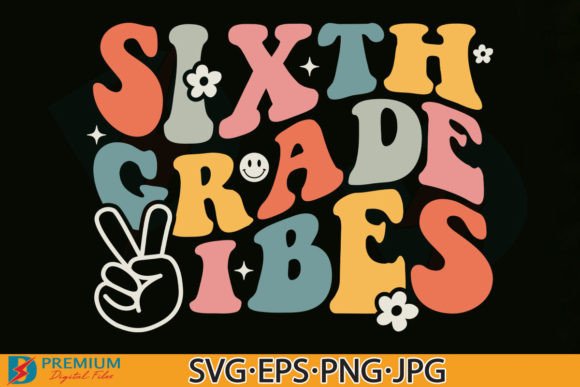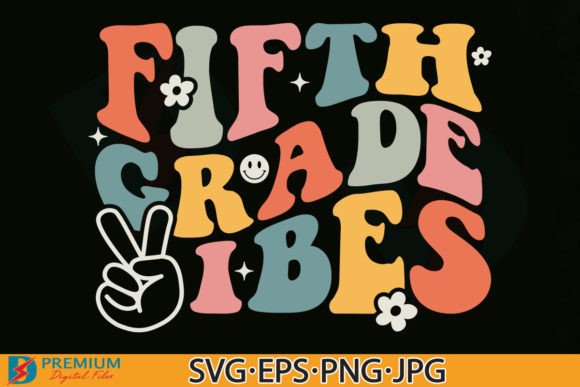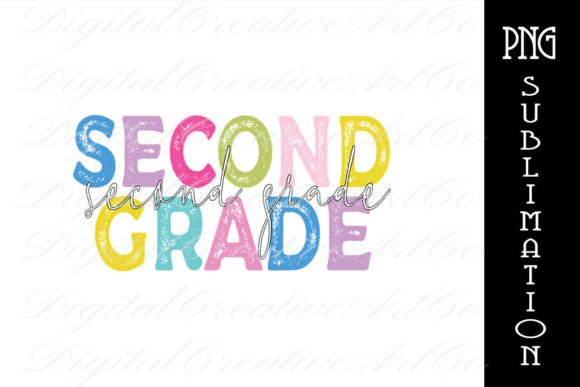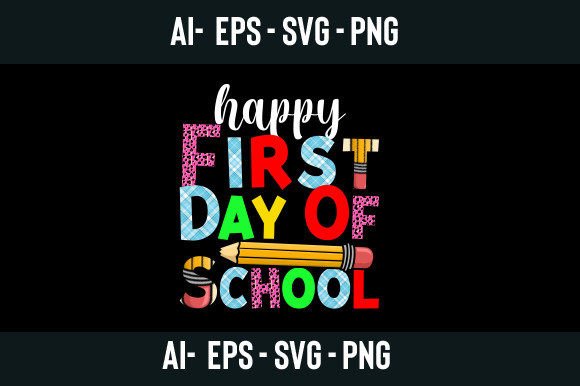
First Grade Vibes PNG, 1st Back to School
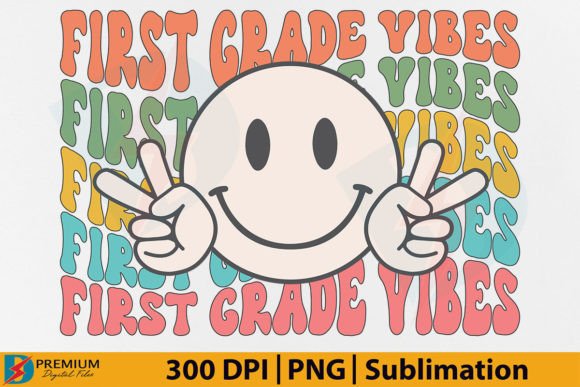
The First Grade Vibes PNG, 1st Back to School is a digital design package intended for educators, parents, crafters, and small-business owners who create classroom materials, personalized school supplies, or themed merchandise. It consists of two high-resolution PNG files—each at 300 dpi with a transparent background—delivered as a single ZIP archive. Once unzipped, the files are ready for immediate use in compatible software.
This resource supports common back-to-school projects: custom t-shirts for first-grade students or staff, printable greeting cards, vinyl decals for water bottles or notebooks, stickers for reward charts, and embellishments for scrapbooking or digital lesson planning. Because the files are raster-based and transparent, they integrate cleanly into layered designs without requiring manual background removal.
One key reason someone might consider this set is convenience. Creating original, age-appropriate, and educationally resonant graphics from scratch demands time, design skill, and access to illustration tools. For users who need reliable, on-brand visuals quickly—especially during the busy pre-school-year window—the First Grade Vibes PNG, 1st Back to School offers a practical alternative to commissioning custom artwork or sifting through crowded royalty-free libraries where thematic relevance isn’t guaranteed.
A benefit lies in resolution and transparency. At 300 dpi, the files retain clarity when printed at moderate sizes—such as 8" × 10" posters or standard mug wraps—without pixelation. The transparent background allows flexible placement over photos, patterns, or solid colors, supporting consistent visual storytelling across physical and digital outputs. This makes them suitable for both home printing and professional print-on-demand services that accept PNG uploads.
However, there are tradeoffs to consider. As raster images, these files are not infinitely scalable. Enlarging them significantly—beyond roughly 200% of their native dimensions—may result in visible softness or jagged edges. Users needing large-format applications (e.g., wall banners or vehicle decals) may find vector alternatives more appropriate. Additionally, because the set includes only two distinct designs, it offers limited variety compared to expansive clipart subscriptions or multi-image bundles. Those planning extensive seasonal campaigns or diverse product lines may require broader asset libraries.
Compatibility is another practical consideration. PNG files are widely supported across design platforms—including Adobe Photoshop, Canva, Cricut Design Space, Silhouette Studio, and GIMP—but users must confirm their software accepts PNGs with transparency and handles 300 dpi correctly. Some basic photo editors or older versions of design tools may flatten transparency or misinterpret DPI metadata, affecting final output quality. Verifying software readiness before purchase helps avoid workflow interruptions.
The First Grade Vibes PNG, 1st Back to School is a strong fit for specific scenarios. It suits educators preparing welcome packets, classroom decor, or parent newsletters; homeschooling families designing personalized learning tools; small Etsy sellers producing limited-run back-to-school apparel or accessories; and PTA volunteers organizing school spirit events. In each case, the priority is functional, timely execution—not experimental design or mass customization. The instant-download nature aligns well with tight deadlines, and the licensing permits physical reproduction for personal or commercial end products (e.g., selling printed mugs), provided the digital file itself isn’t resold or distributed.
Conversely, alternatives may be preferable in other situations. If you require editable text, multiple color variants, or scalable outlines for laser cutting or embroidery digitizing, vector-based SVG or EPS files would offer greater flexibility. Similarly, if your project calls for cohesive sets—including matching borders, patterns, or coordinated fonts—curated design kits with extended elements may better support visual consistency. Subscription-based platforms like Creative Market or The Hungry JPEG also provide rotating selections of school-themed assets, which could suit users needing ongoing variety rather than a one-time solution.
It’s also worth noting what this product does not include. There are no layered PSD files, no editable source files (like AI or SVG), no fonts, and no instructions for specific software workflows. Users should expect standalone PNGs only—ready to place, resize (within limits), and print. This simplicity benefits those with intermediate digital literacy but may frustrate beginners unfamiliar with file types, DPI settings, or transparency handling.
When evaluating whether the First Grade Vibes PNG, 1st Back to School meets your needs, ask three questions: First, what is the primary output? If it’s screen-based presentations or modest-sized physical items (stickers, small cards, youth-sized apparel), the resolution and format are appropriate. Second, how many unique visuals do you actually need? With only two images, assess whether they match your intended message—“first grade” enthusiasm, early literacy cues, or general school readiness—without requiring heavy modification. Third, what is your technical comfort level? If you regularly import PNGs into your workflow and understand how to preserve transparency during export, integration will be straightforward. If not, allocating time to test the files in your environment before committing to a full production run is advisable.
Finally, keep expectations aligned with the product type. This is a digital download—not a physical item—and no shipping occurs. It is licensed for use in creating finished goods, not for redistribution as a digital asset. Understanding these boundaries helps prevent misuse and supports fair practices for digital creators.
In summary, the First Grade Vibes PNG, 1st Back to School serves a defined niche: practical, time-conscious users seeking ready-to-use, high-quality visuals for first-grade-oriented projects. Its value emerges most clearly when matched to realistic use cases, compatible tools, and appropriate scale requirements. For those conditions, it functions as a reliable component—not a comprehensive solution—in a broader creative or educational workflow.